Mystic Shaper

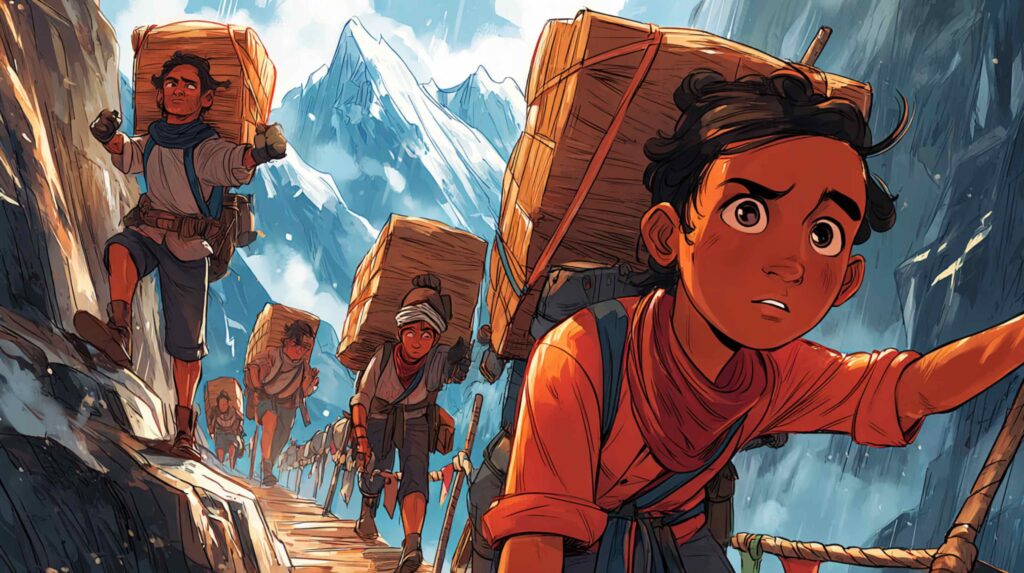
Epic graphic novel cover illustration, ancient Tea Horse Road in the Hengduan Mountains, dramatic vertical composition showing exhausted caravan porters climbing impossibly narrow cliffside trails carved into sheer mountain rock, each carrying enormous bamboo-framed tea brick loads strapped across their foreheads, ghostly ancient path etched into stone like scars, towering snow-capped Hengduan peaks disappearing into storm clouds, rope bridges suspended over terrifying deep mist-filled gorges, Tibetan prayer flags whipping in violent alpine wind, distant caravan of mules climbing dangerous switchbacks, atmospheric blend of Chinese imperial trade history and survival epic, one central weathered porter in foreground with determined expression, cinematic perspective

The Tea Horse Road: What the World’s Most Brutal Trade Route Reveals About Human Endurance, Suffering, and the Limits of What a Body Can Bear

Primary Keyword: “Ancient Tea Horse Road” / “Tea Horse Road history” / “Chamagudao history” Introduction: The Road That Asks the Oldest Question About Being Human Ancient Tea horse road does not appear on any ancient map. It has no founding charter, no commemorative monument, no famous battle attached to its name. What it has are […]

The Tea Horse Road: What the World’s Most Brutal Trade Route Reveals About Human Endurance, Suffering, and the Limits of What a Body Can Bear Read More »

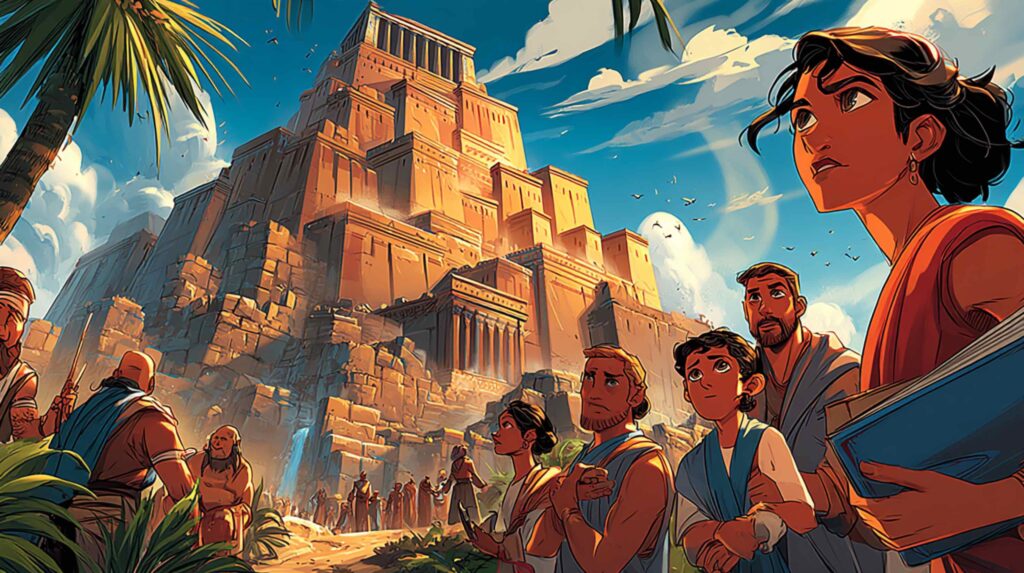
The Rise and Fall of Mesopotamia: How the World’s First Civilisation Still Shapes How We Build and How We Collapse

Primary Keyword: “Mesopotamia rise and fall” / “history of ancient Mesopotamia” / “why civilizations collapse” Introduction: The Oldest Systems Problem in Human History Mesopotamia begins not with a war, a king, or a god but with a drainage ditch. Sometime around 5000 BCE, in a flat, flood-prone valley between the Tigris and Euphrates rivers, a

The Rise and Fall of Mesopotamia: How the World’s First Civilisation Still Shapes How We Build and How We Collapse Read More »

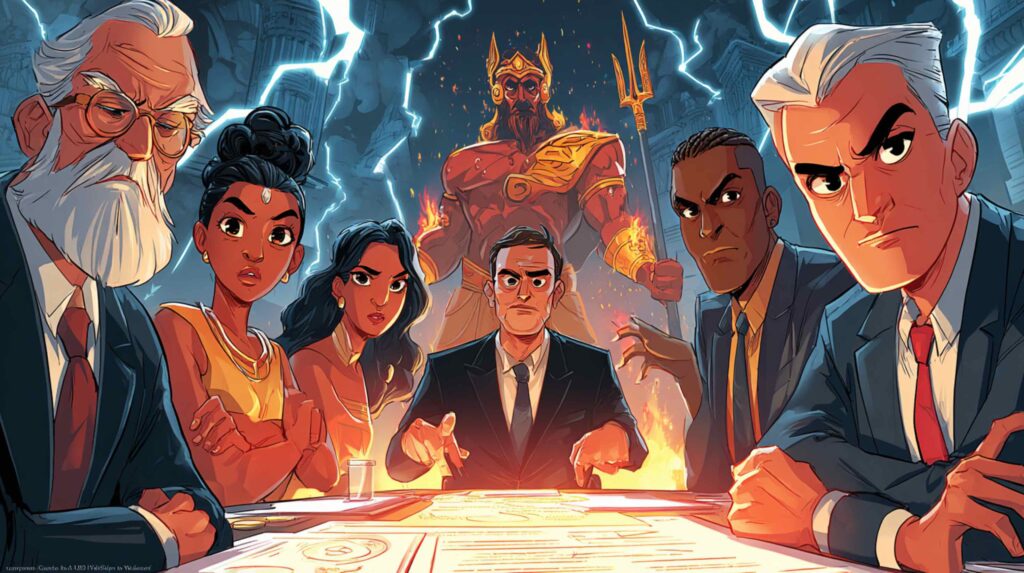
Epic dark comic-book cover illustration, "toxic workplace through mythology" concept, six mythological archetypes representing corporate dysfunction arranged in a dramatic cinematic composition like a corrupted divine boardroom council, Zeus as an arrogant thunder-wielding executive king seated above storm clouds, Hera as a cold calculating queen with restrained fury, Tezcatlipoca as a shadowy Aztec trickster holding a smoking obsidian mirror reflecting distorted faces, Apollo as a radiant golden visionary detached above the chaos, Seth as an Egyptian architect of sabotage leaning over strategic blueprints and a golden coffin, Eshu as the calm crossroads mediator standing between opposing forces, ancient mythological architecture blending Olympus, Aztec temple, Egyptian hall, and Yoruba crossroads with subtle modern corporate skyscraper silhouettes in the background, office workers as tiny overwhelmed figures below, storm lightning, fractured glass, floating documents, dark indigo, gold, crimson, volcanic black color palette, ultra-detailed premium graphic novel illustration, DC/Marvel comic cover aesthetic, cinematic dramatic lighting, powerful symbolic composition, editorial feature image, no text, clean negative space for blog title overlay

Six Gods Who Explain Every Toxic Workplace And the One Who Survives Them All

Primary Keyword: toxic workplace archetypes / mythology and leadership / organizational dysfunction myths] Introduction: The Oldest Org Chart in the World Toxic Workplace is not a modern problem. Three thousand years before the invention of the performance review, scribes in Mesopotamia, Egypt, and Mesoamerica were documenting the same organizational pathologies we now pay consultants to

Six Gods Who Explain Every Toxic Workplace And the One Who Survives Them All Read More »

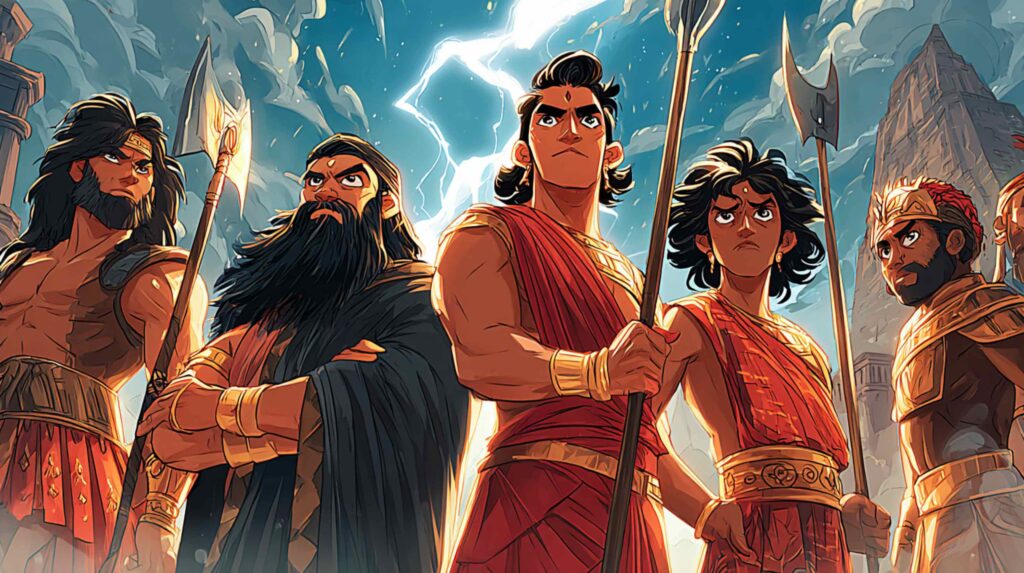
Epic comic-book cover illustration, seven legendary mythological leadership archetypes standing in a dramatic crescent composition like a council of ancient gods, each visually distinct and inspired by their mythology: Hercules as a powerful Greek warrior with lion pelt and massive club, Lord Rama with divine bow and calm regal aura, Odin as a one-eyed Norse strategist in dark robes holding a spear, Shango surrounded by thunder and lightning with ceremonial axe, Itzamná as an ancient wise Mayan scholar deity with glowing codices, Murugan as radiant Tamil warrior god with spear and peacock, Huitzilopochtli as fierce Aztec sun-war deity with elaborate feathered armor, cinematic storm-split sky with gold, crimson, electric blue and deep indigo, ancient ruins from multiple civilizations fading into mist below, dynamic heroic poses, dramatic rim lighting, high contrast shadows, ultra-detailed graphic novel illustration, premium DC/Marvel comic cover aesthetic, cinematic composition, powerful modern leadership symbolism, no text, feature image for editorial blog, visually balanced negative space for title overlay

Leadership Archetypes From Mythology: What Seven Ancient Gods Reveal About Why You’re the Bottleneck

Key Takeaways Key Moments in the Video Why Leadership Archetypes From Mythology Are More Relevant Than Anything in Your Management Handbook Leadership archetypes from mythology aren’t relics of pre-scientific thinking. They’re compressed data thousands of years of pattern recognition about human behavior, encoded in stories sturdy enough to survive civilizational collapse, translation, and centuries of

Leadership Archetypes From Mythology: What Seven Ancient Gods Reveal About Why You’re the Bottleneck Read More »